Relationship Coach for Professionals
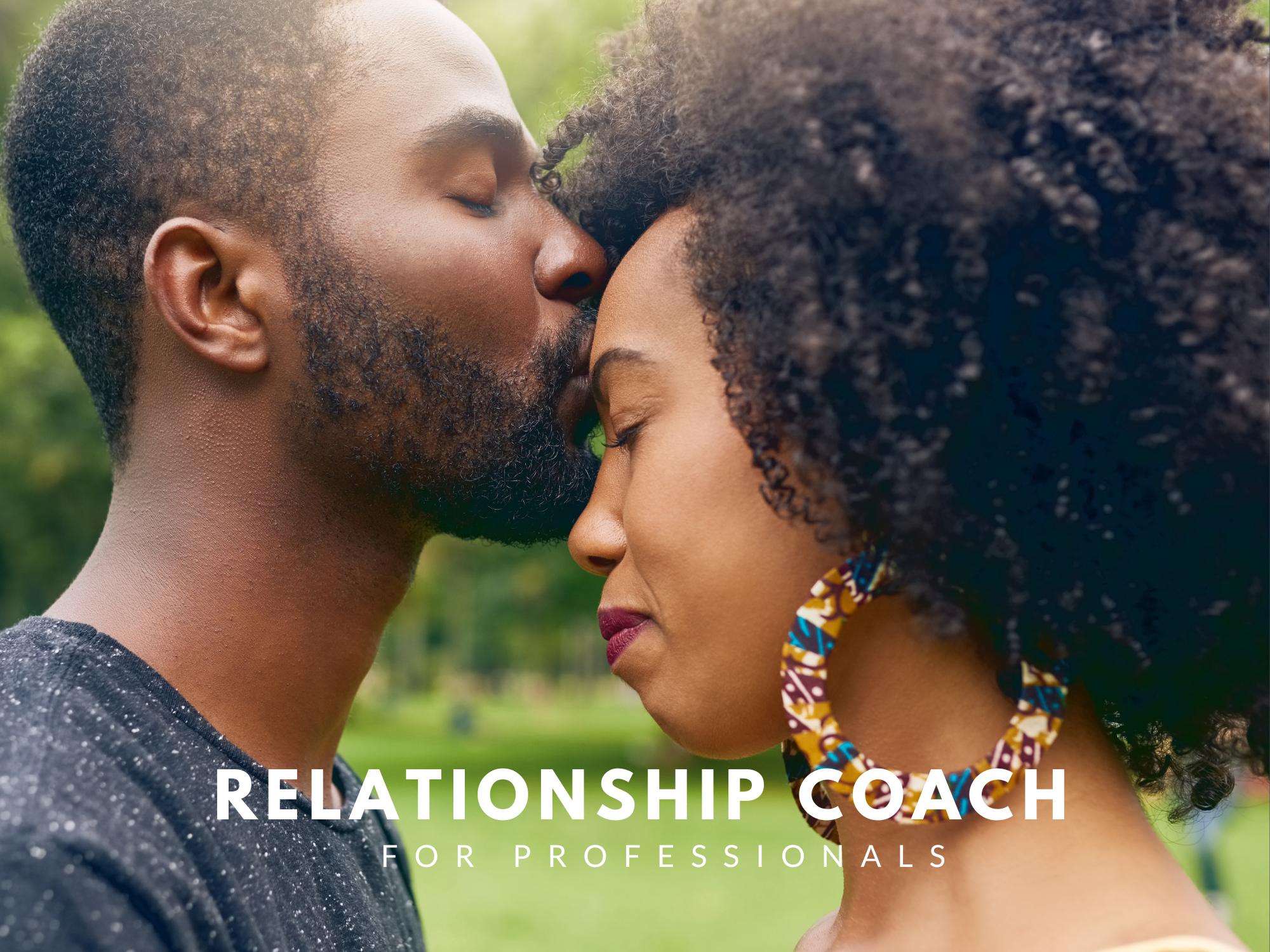
You can lead meetings, manage teams, hit deadlines, and still go home feeling completely defeated by one hard conversation with the person you love. That is why a relationship coach for professionals can make such a powerful difference. When your career rewards performance, control, and problem-solving, those same habits can quietly create distance, resentment, miscommunication, and emotional exhaustion in your closest relationships.
High achievers are often told they should be able to figure it out on their own. They read the books, listen to the podcasts, and try to communicate better. But many professionals are not struggling because they lack intelligence. They are struggling because stress changes how they show up, old wounds shape how they react, and success at work does not automatically teach emotional safety, intimacy, or healthy conflict.
That disconnect can feel deeply frustrating. You may be respected in your industry and still feel dismissed at home. You may know how to negotiate contracts but freeze when you need to ask for support. You may be building a business, managing a household, carrying other people’s expectations, and realizing your relationship is running on leftovers. Not because you do not care, but because you are tired, triggered, and stretched thin.
What a Relationship Coach for Professionals Actually Helps With
This kind of coaching is not about giving you generic dating advice or telling you to just communicate more. It is about helping you understand the patterns underneath the problem. For professionals, relationship issues are often tied to pressure, perfectionism, people-pleasing, burnout, fear of vulnerability, and difficulty setting boundaries.
A strong coach helps you slow down enough to see what is really happening. Maybe your partner says you are unavailable, but what is actually happening is that your nervous system never powers down after work. Maybe you keep choosing emotionally inconsistent partners because chaos feels familiar. Maybe every disagreement turns into defensiveness because somewhere along the way, being wrong stopped feeling safe.
Coaching can help with romantic relationships, but it can also support family dynamics, co-parenting, dating after divorce, and the communication challenges that come with leadership and ambition. Professionals do not live in neat categories. Relationship stress affects confidence, focus, productivity, and peace. Career pressure affects patience, intimacy, and presence. A good coach sees the whole picture.
Why Professionals Often Wait Too Long to Get Support
Many ambitious people normalize emotional strain because they have learned to function through pain. They keep producing. They keep showing up. They keep telling themselves it is just a busy season. But unresolved relationship stress does not stay in one corner of life.
It follows you into your body, your schedule, your sleep, and your self-talk. You start second-guessing yourself more. Small disagreements feel loaded. Resentment builds where honesty should have been. Even when there is love, there may not be ease.
Professionals also tend to delay support because they fear being judged. They do not want to look weak, needy, or incapable. Some have already tried therapy, advice from friends, or solo self-help work and still feel stuck. Others are not looking for a long clinical process. They want personalized support, direct feedback, and practical movement.
That is where coaching can feel different. The right coach does not sit back and leave you circling the same pain for months. They help you identify patterns, build better tools, and create real shifts in how you communicate, choose, respond, and relate.
Signs You May Need a Relationship Coach for Professionals
Sometimes the signs are obvious. You are in constant conflict, your dating life is draining, or trust has been damaged. But often the signs are quieter and easier to dismiss.
You may feel emotionally disconnected even when the relationship looks fine from the outside. You may struggle to ask for what you need without guilt. You may overfunction, overgive, or overexplain and then feel angry that no one seems to understand you. You may attract people who like your strength but do not know how to meet your depth.
You may also notice that your relationship patterns mirror your professional patterns. You take on too much. You avoid disappointing people. You equate worth with usefulness. You stay calm on the surface while resentment grows underneath. You become the fixer, the planner, the stable one, and then wonder why you feel so alone.
These are not character flaws. They are survival strategies that may have helped you succeed, but they can cost you intimacy if left unexamined.
What Good Coaching Should Feel Like
Good relationship coaching should feel honest, safe, and challenging in the right ways. You should feel seen without being coddled. You should leave sessions with insight, but also with something concrete to practice.
That might mean learning how to regulate yourself before difficult conversations. It might mean understanding your attachment patterns. It might mean recognizing how unhealed betrayal, abandonment, or burnout is shaping your current behavior. It might mean setting boundaries you have avoided for years.
The goal is not perfection. The goal is self-awareness with action.
For professionals, this matters because insight alone rarely changes a pattern. You can understand exactly why you shut down during conflict and still keep doing it. Change happens when awareness is paired with repetition, accountability, and support. A skilled coach helps you build that bridge.
Coaching, Therapy, and the Real Question to Ask
Some people want to know whether they need coaching or therapy. The better question is what kind of support fits your current needs.
Therapy can be essential, especially when someone is working through severe trauma, depression, anxiety disorders, or mental health concerns that require clinical care. Coaching is often a strong fit when you are functional but frustrated, aware but stuck, motivated but inconsistent. You want momentum. You want practical tools. You want help applying what you know to the life you are actually living.
Sometimes people benefit from both. It depends on the depth of the issue, your goals, and what kind of support helps you move. There is no prize for choosing one over the other. The point is to stop suffering in silence while your relationship life keeps absorbing the cost.
The Outcomes that Matter Most
People often come to coaching because they want the pain to stop. That is valid. But the deeper outcome is not just less conflict. It is more congruence.
It is being able to say what you mean without bracing for backlash. It is choosing relationships that reflect your values instead of your wounds. It is feeling less pulled between professional success and personal peace. It is knowing how to repair after conflict instead of avoiding it, escalating it, or silently keeping score.
For some, the outcome is saving a relationship. For others, it is leaving a dynamic that has been draining their life force. For many, it is finally understanding themselves well enough to stop repeating painful cycles.
This is especially powerful for leaders and entrepreneurs because relationships shape everything. Your confidence, your clarity, your boundaries, your emotional bandwidth, and your income can all be affected by what is happening in your private life. When your relationships become healthier, your decision-making often becomes cleaner too.
Choosing the Right Relationship Coach
Not every coach is the right fit for a professional carrying real pressure and real pain. You want someone who can hold emotional depth without becoming vague. Someone who respects your ambition without helping you hide behind it. Someone who understands that your relationship struggles are not separate from your leadership, your burnout, your identity, or your healing.
Look for a coach who can name patterns clearly, offer practical next steps, and create a space where honesty is possible. Credentials matter, but lived understanding matters too. If someone has never truly sat with adversity, their advice can sound polished and still miss the heart of what you are carrying.
This is one reason many clients are drawn to Brandi Kiana-Jo. The work is personal, practical, and built for people who are ready for real change, not endless analysis.
If you have been telling yourself to just push through, take this as a gentle interruption. You do not need to keep succeeding in public while struggling in private. Support is not a last resort for people falling apart. It is a wise move for people who are ready to build love, peace, and connection with the same intention they bring to everything else that matters.